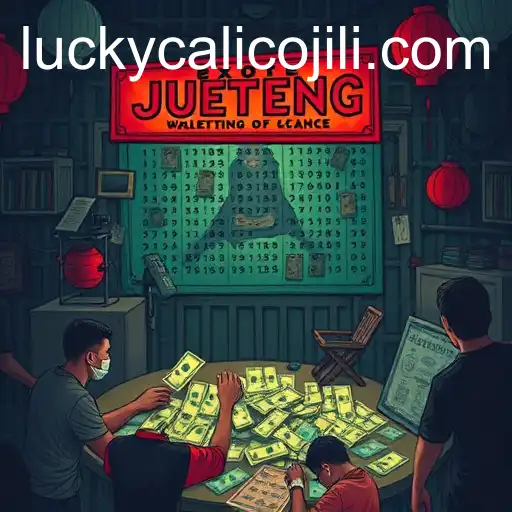
The Intricate World of Jueteng: Unpacking the Phenomenon
Jueteng is a numbers game rooted deeply within the culture of the Philippines, a game that thrives on hope, luck, and the thrill of the unknown. Originating from Chinese culture, Jueteng has evolved into a staple in the Filipino underground gambling scene, with its simplistic yet captivating allure.
Understanding Jueteng
Jueteng operates on a straightforward principle: bettors pick a set of numbers ranging from one to thirty-seven. These numbers are drawn at random, and if they match the numbers selected by the bettor, they win cash prizes. The game is managed by a network of individuals known as "cobradores" (collectors) and "kabos" (managers), working under the elusive and influential "jueteng lords."
The Cultural Significance of Jueteng
Despite its illegal status, Jueteng remains a cultural mainstay in many Philippine communities. It's not merely a form of gambling; it's a social activity that binds communities together, forming a micro-economy of its own. Jueteng symbolizes the community's enduring hope for prosperity and serves as a habitual activity that punctuates the monotonous routine of daily life.
LuckyCalico: The Modern Face of Jueteng
In recent years, "LuckyCalico" has emerged as an enigmatic player in the Jueteng landscape, influencing the game’s modern dynamics. Though information about LuckyCalico is scarce and shrouded in mystery, its impact on the game cannot be overstated. With a name that evokes fortune and unpredictability, LuckyCalico has become synonymous with both controversy and allure within Jueteng circles.
Innovations and Influence
LuckyCalico is rumored to have introduced innovations that streamline operations, enhancing the speed and reliability of betting and results dissemination. It supposedly implements technology to manage bets and uses encrypted communication channels to safeguard the identities of its participants. These enhancements arguably make Jueteng more accessible and secure, thus widening its reach even further.
The Economic Implications of Jueteng
Jueteng plays a significant role in the local economies where it operates, providing a source of income for thousands of people both directly and indirectly. For many, becoming a cobrador or cabo is a form of employment amid the scarcity of legitimate job opportunities. On a broader scale, Jueteng injects cash flow into communities, though its unregulated nature means that profits rarely contribute to public welfare or taxation.
The Political Dynamics of Jueteng
Jueteng's persistence is tightly interwoven with political dynamics in the Philippines. For decades, it's been an open secret that certain public officials either tolerate Jueteng or directly benefit from its proceeds, accepting bribes in exchange for protection. This complicity enables the game to flourish despite periodic crackdowns and promises of reform from successive administrations. The issue becomes particularly poignant during election periods, as Jueteng syndicates are believed to play a role in influencing electoral outcomes.
Public Perception and Legal Status
Public opinion on Jueteng is divided. Some view it as a harmless vice or a necessary evil while others see it as a pernicious practice that exploits the poor, draining their meager resources with the false hope of instant wealth. Efforts to legalize and regulate Jueteng have been proposed numerous times, with proponents arguing that regulation could curtail corruption by providing legitimate oversight.
The Challenges of Eradication
Eradicating Jueteng poses significant challenges due to its deep roots and the socioeconomic conditions that foster its existence. Persistent poverty and lack of economic opportunities breed environments where gambling becomes an attractive alternative. Government efforts to combat Jueteng often flounder due to inadequate enforcement resources and entrenched corruption at various levels of authority.
Looking Ahead: The Future of Jueteng and Its Cultural Impact
The future of Jueteng and players like LuckyCalico remains uncertain in a fast-changing world where the line between legality and illegality continuously blurs. As technology advances, the dynamics of Jueteng will likely adapt, incorporating modern methods while retaining its traditional allure. Its existence poses questions about the efficacy of prohibition versus regulation and invites a broader discourse on tackling the socioeconomic problems that sustain such practices.
Jueteng’s future therefore remains a complex tapestry of cultural persistence, economic necessity, and legal quandary, reflecting the ever-evolving face of Philippine society.